BEHIND A JEWELLER'S CREATIVE PROCESS
Over the last few years, something that has really caught my attention and interest has been jewellery. The idea of continuing to create with our hands, using pure materials, and the endless possibilities behind a single piece has awakened a passion in me that I didn’t know was there.
So much so that earlier this year, as some of you might remember, I decided to do an intensive jewellery course. It lasted only a month and it was pretty simple, but it reaffirmed what I was already suspecting: I really like creating with my bare hands. Since then, I’ve had this idea of learning, investigating and building a base of knowledge for the upcoming future — if you know what I mean.
So, after doing a lot of research and following many different brands, I discovered Cleopatra’s Bling.
If you enjoy creative pieces and unique jewellery, you might have also gotten a little bored with what the market is offering these days. I can no longer tell if they are all the same brand made by different people. And where did the craftsmanship, the process and the experimentation go?
So, inevitably, I felt really connected to what Olivia, Cleopatra’s Bling’s founder has to offer.
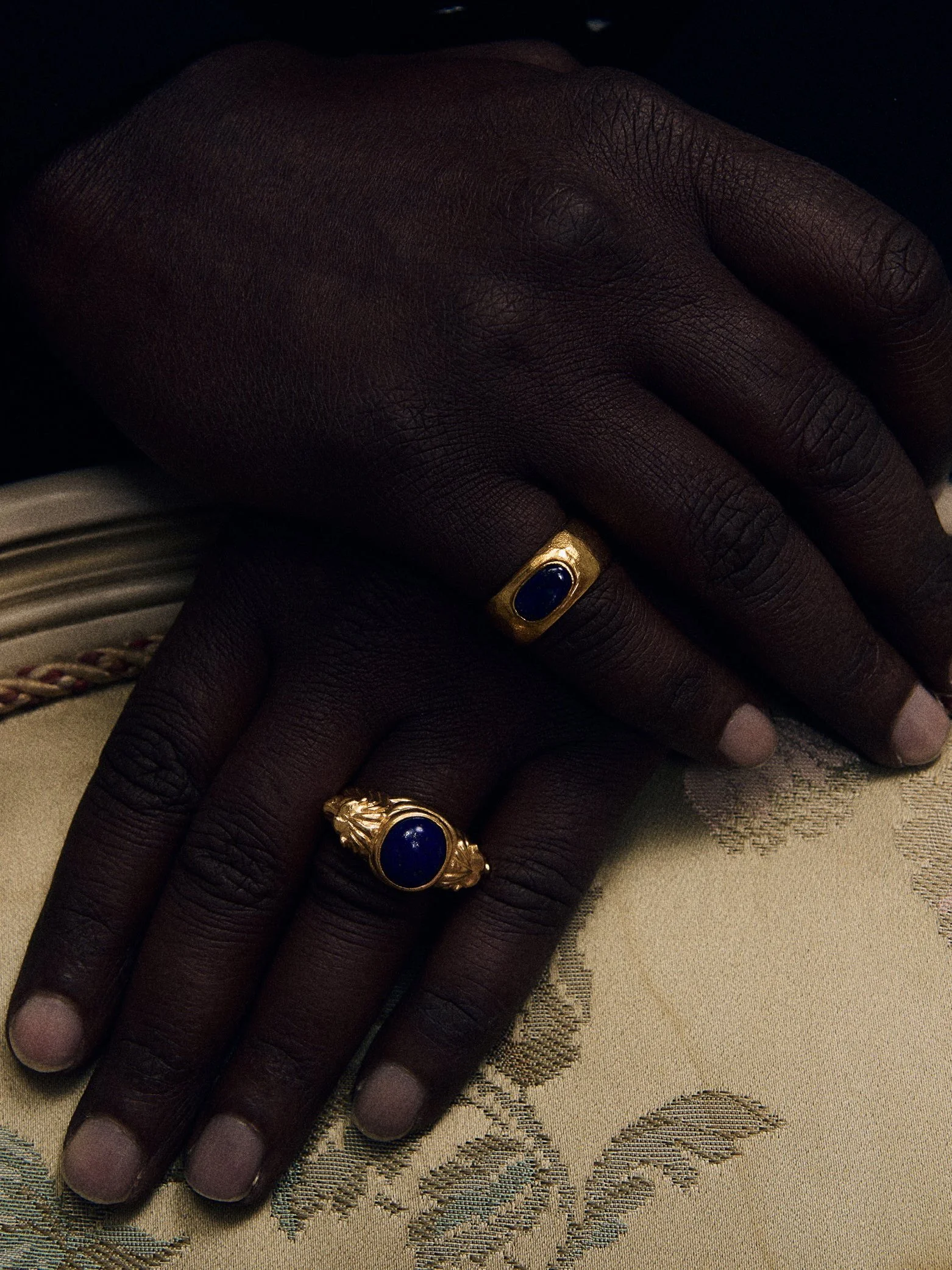
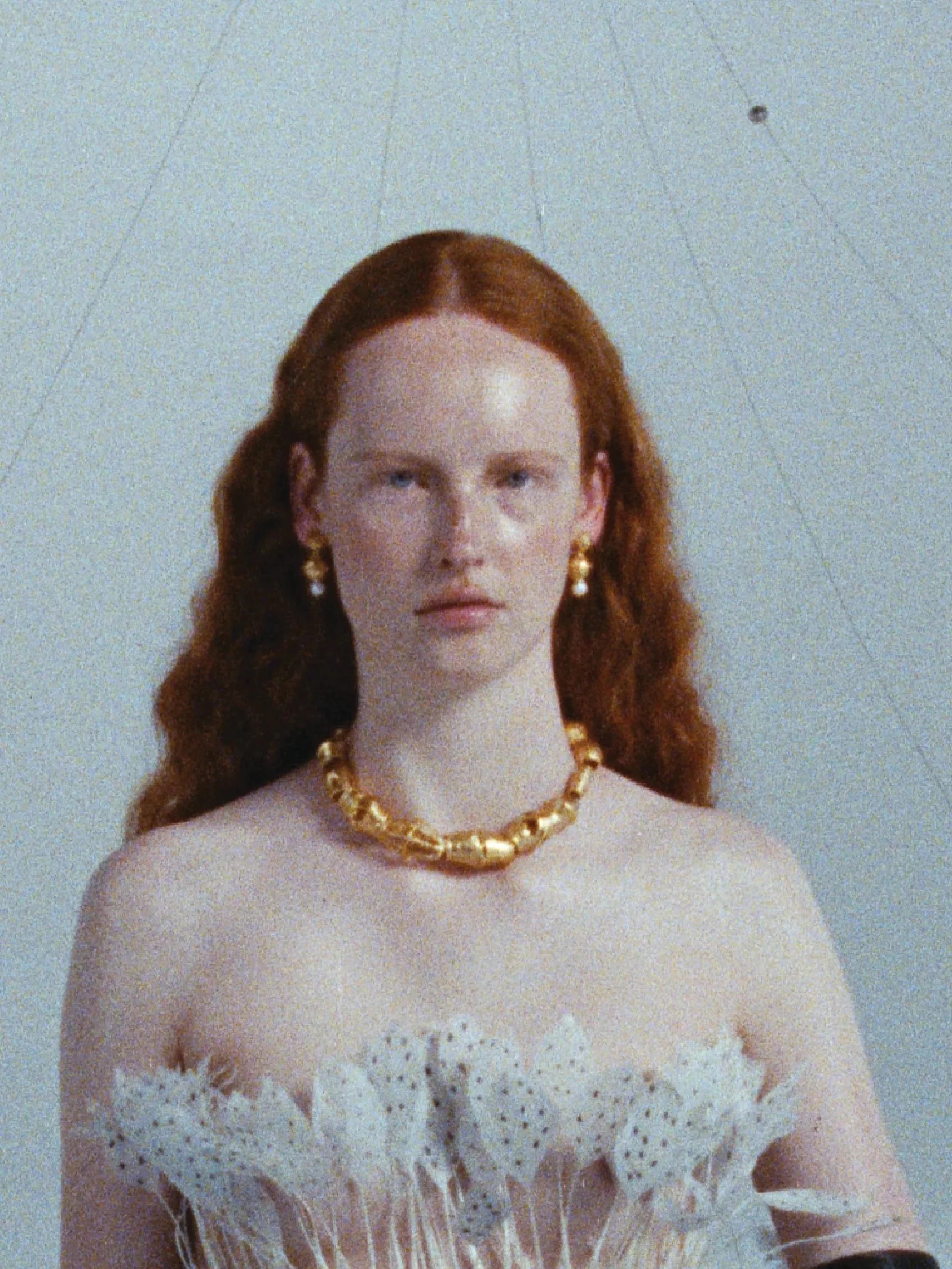
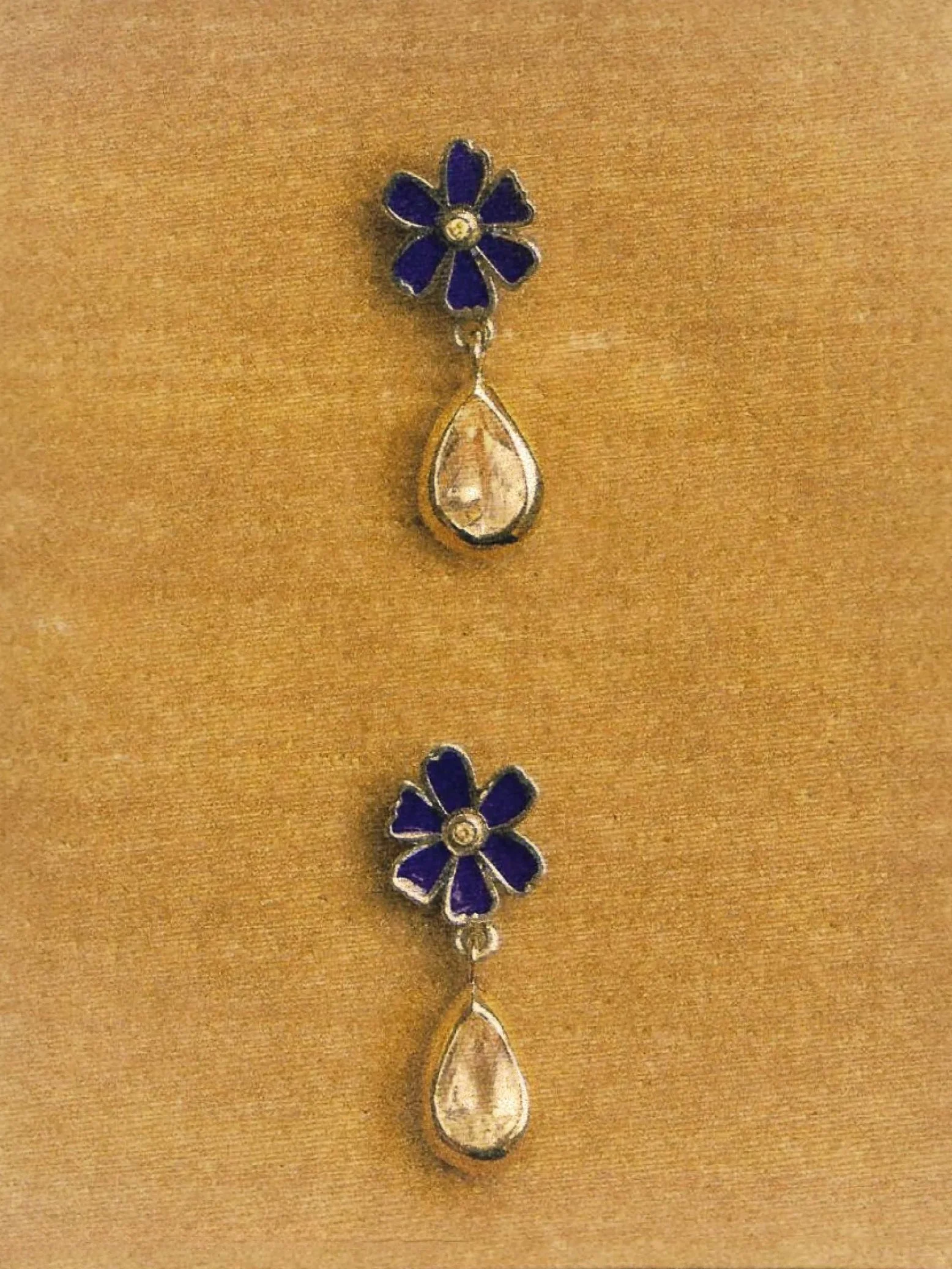
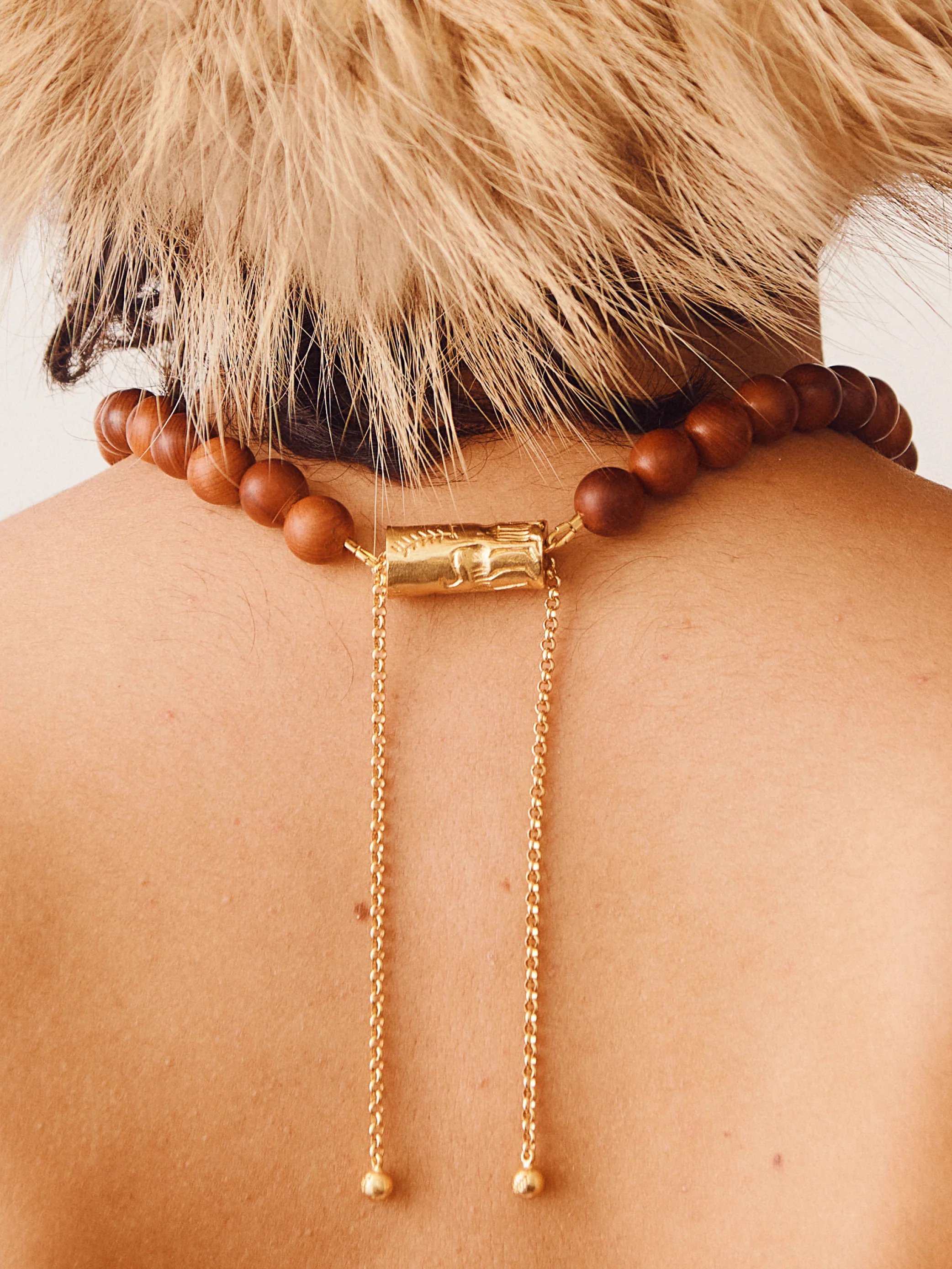
With nothing to lose and a lot to explore, I decided to shoot my shot and contact Olivia to understand a little more about what goes on behind a jeweller’s creative process. After texting with Olivia to prepare this piece, I had the opportunity to meet her and her daughter Alba, both as sweet and kind as I had imagined.
Olivia is originally from Melbourne, Australia, where she grew up surrounded by art and creativity. Since she was a little girl, she felt a fascination for jewellery, precious stones and antiques. Once she turned 18, she moved to Paris, where she studied and began a career in marketing. However, soon enough, she felt the need to pursue something more creative.
After visiting Istanbul and falling in love with the city, she decided to move there. With little knowledge and almost no experience as a jeweller, she started visiting the Grand Bazaar, learning the language and surrounding herself with traditional craftsmen. After a few years of following that path, Cleopatra’s Bling was born.
She then moved to Italy, where she started working with Florentine goldsmiths and immersed herself further in archaeology, mythology and traditional jewellery craftsmanship.
What inspires me most about Olivia’s journey is the natural shift her career took, eventually leading her to where she is today. Somehow, the brand breathes all the places she has lived, the techniques she has learned and the knowledge she has gathered through all these experiences. That’s what makes Cleopatra’s Bling so interesting to me: the way it mixes history, symbolism and craftsmanship with personal experiences.
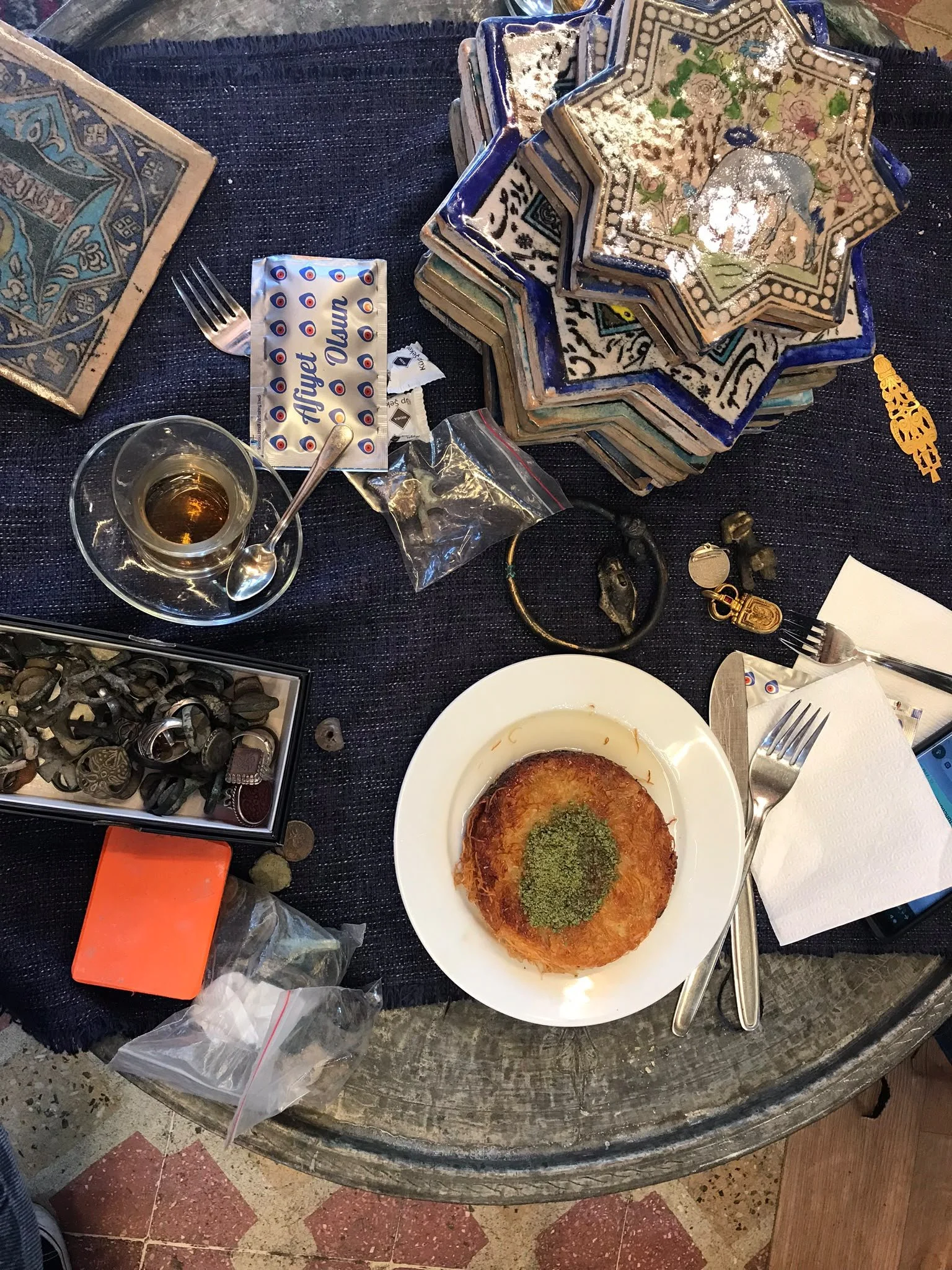
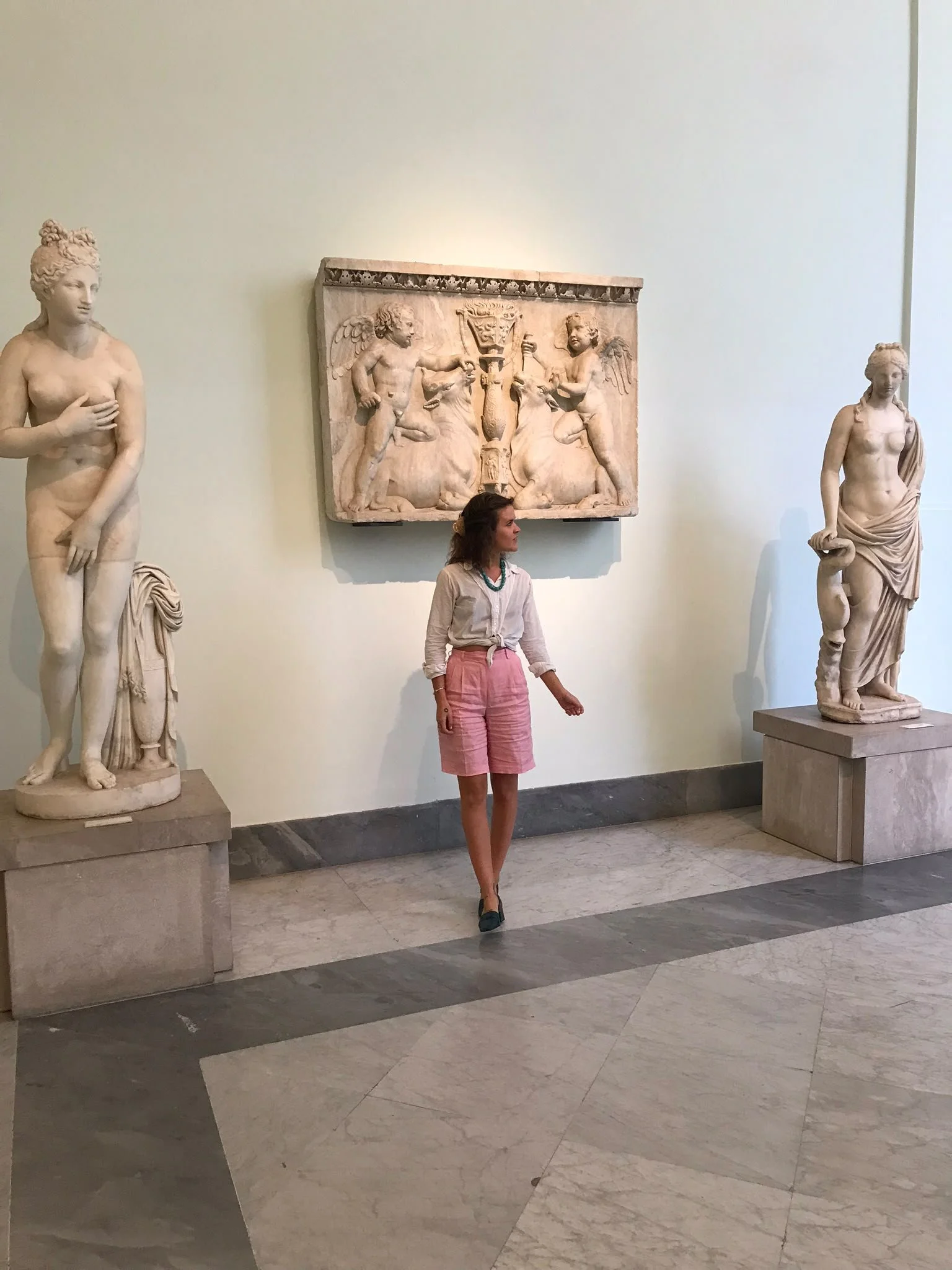
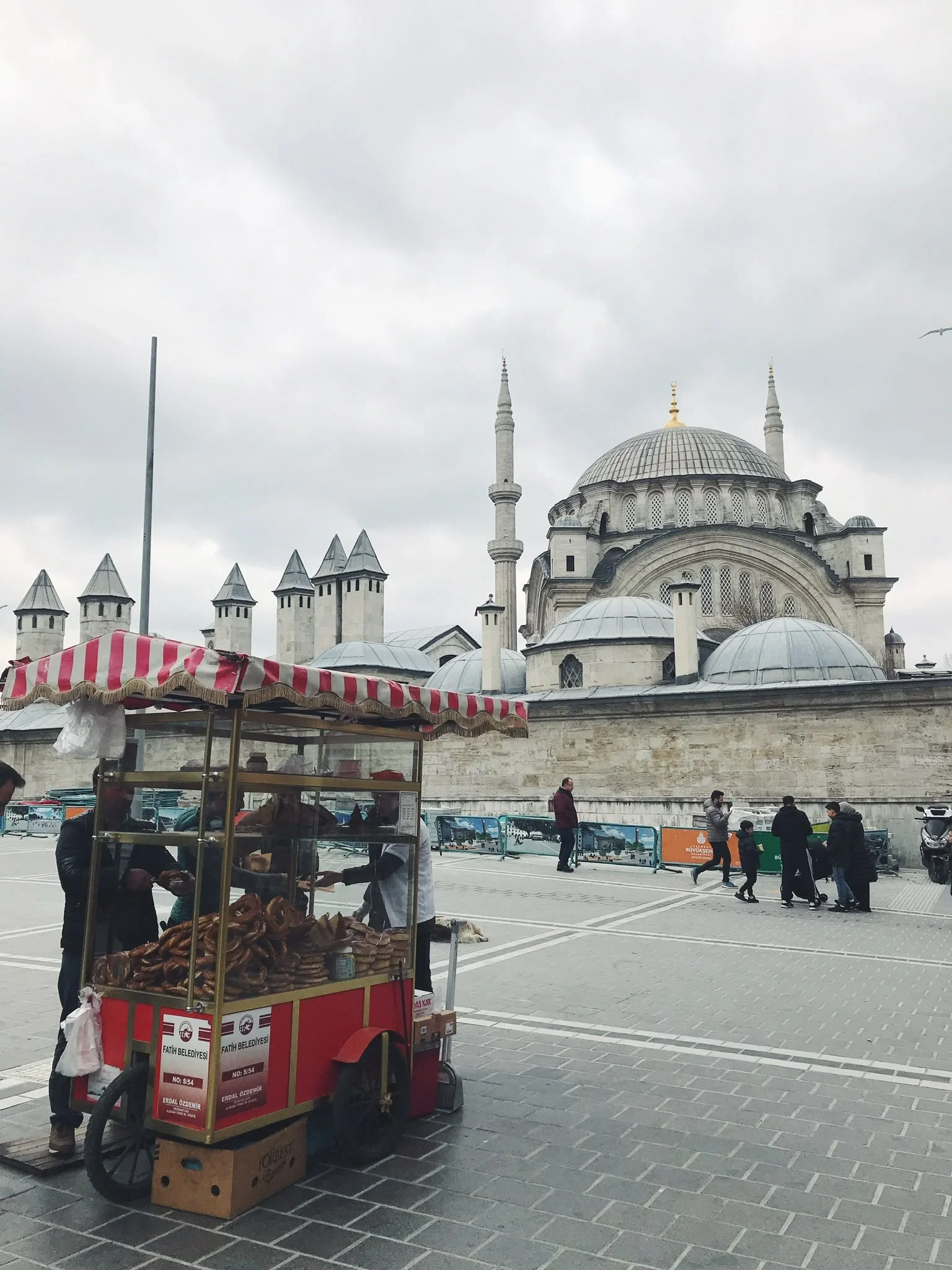
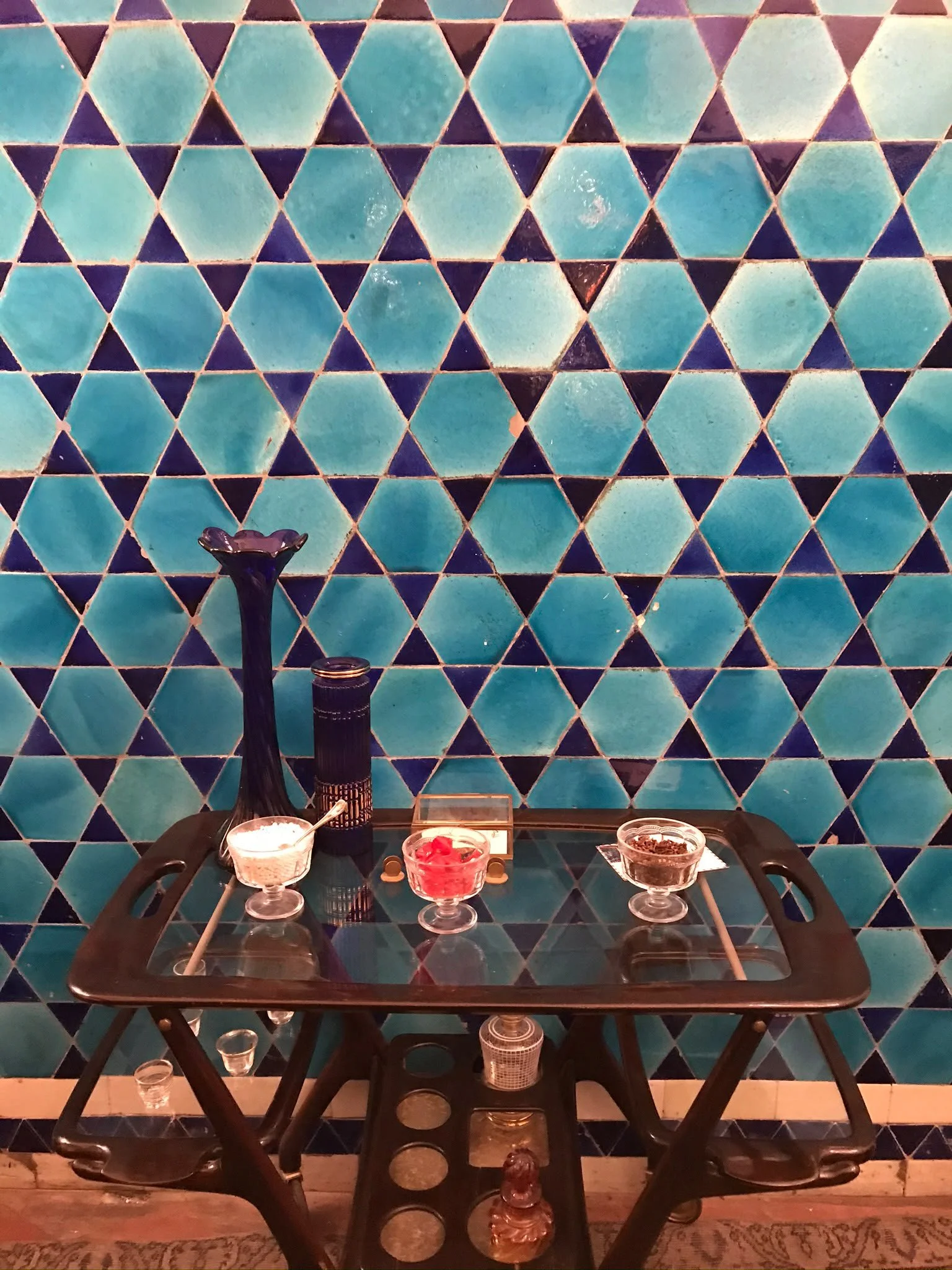
So, as you can imagine, I couldn’t miss the opportunity to chat with Olivia and get a few more insights into her world.
What role does emotion play in your creative process?
For me, emotion is the starting point rather than the finishing touch. I don't really sit down and think, "I'm going to design a ring." Usually I'm trying to understand a feeling, a place, a period of history, or even why something beautiful has stayed with me. Jewellery becomes a way of giving those ideas a physical form.
I think that's why I've never been interested in designing around trends. Trends disappear, but emotions don't. Love, curiosity, memory, protection, devotion... they've existed for thousands of years, and jewellery has always been used to express them.
I love this idea of trying to understand why something beautiful stays with us. Because inspiration is such an overused word, especially in fashion, but where does it actually come from?
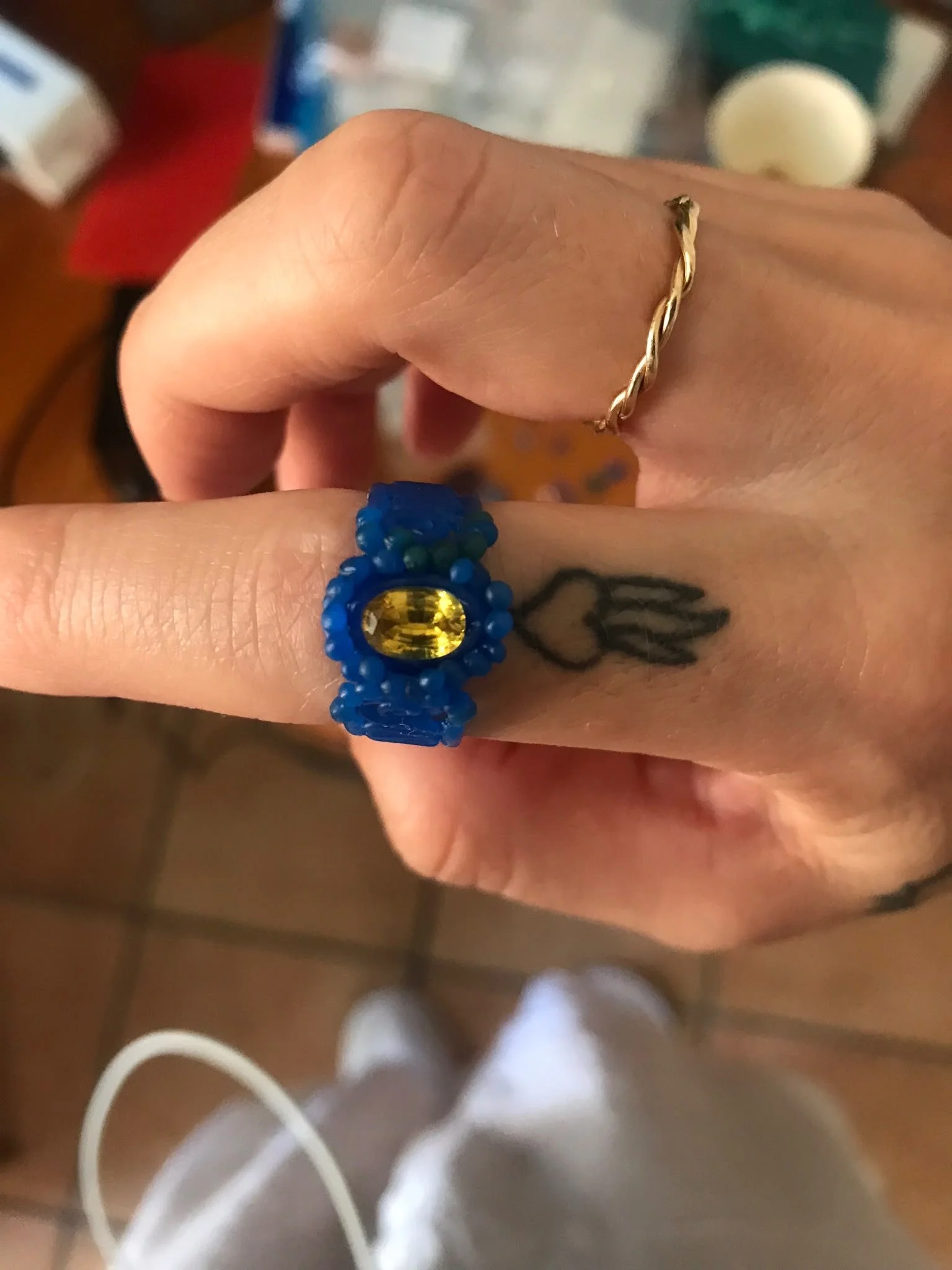
Where do your ideas usually begin? Is it with a material, a memory, a shape, or something entirely different?
It can begin almost anywhere. Sometimes it's a tiny architectural detail on a building in Madrid. Sometimes it's the way fabric folds, an ancient carving in a museum, or even the colour of a stone I've just been shown.
I'm fascinated by how everything around us influences the way we choose to adorn ourselves. Architecture, sculpture, paintings, landscapes, colours, old objects... they're all part of the same visual language. Once something catches my attention, I tend to obsess over it until it eventually finds its way into a piece.
Which makes me think about something else.
If inspiration can come from absolutely everywhere, how do you create something that doesn't become irrelevant once our visual references inevitably change? Or, in simpler words —
What makes a piece timeless to you?
I think timelessness comes from having a reason to exist beyond fashion. When I look at jewellery that's survived hundreds or even thousands of years, it doesn't feel old. Good proportions, beautiful craftsmanship and meaningful symbolism don't really age.
I've learnt so much from studying ancient jewellery because it reminds you that people haven't actually changed that much. We still fall in love, we still celebrate, we still grieve, and we still use jewellery to mark those moments.Maybe that's what makes jewellery particularly interesting to me. Clothes inevitably deteriorate, trends return looking slightly different, and our wardrobes change constantly. Jewellery somehow operates on another timeline.
We keep it.We give it away.We inherit it. Sometimes we even wear something that belonged to a person we've never met.
What do you hope someone feels when they wear one of your pieces?
I hope they feel like they're wearing something that has a story behind it. Not something disposable or seasonal, but something with weight and permanence. Almost like they've become the next custodian of an object that could outlive all of us.
Jewellery has always travelled through generations. I love the idea that something I make today might one day belong to someone's granddaughter. And I think this idea of permanence becomes even more interesting when you know how Olivia actually arrived at jewellery in the first place.
There wasn't a perfectly planned career path or a childhood declaration of I'm going to become a jewellery designer. It was much more accidental than that — which, personally, are usually my favorite kinds of creative stories.
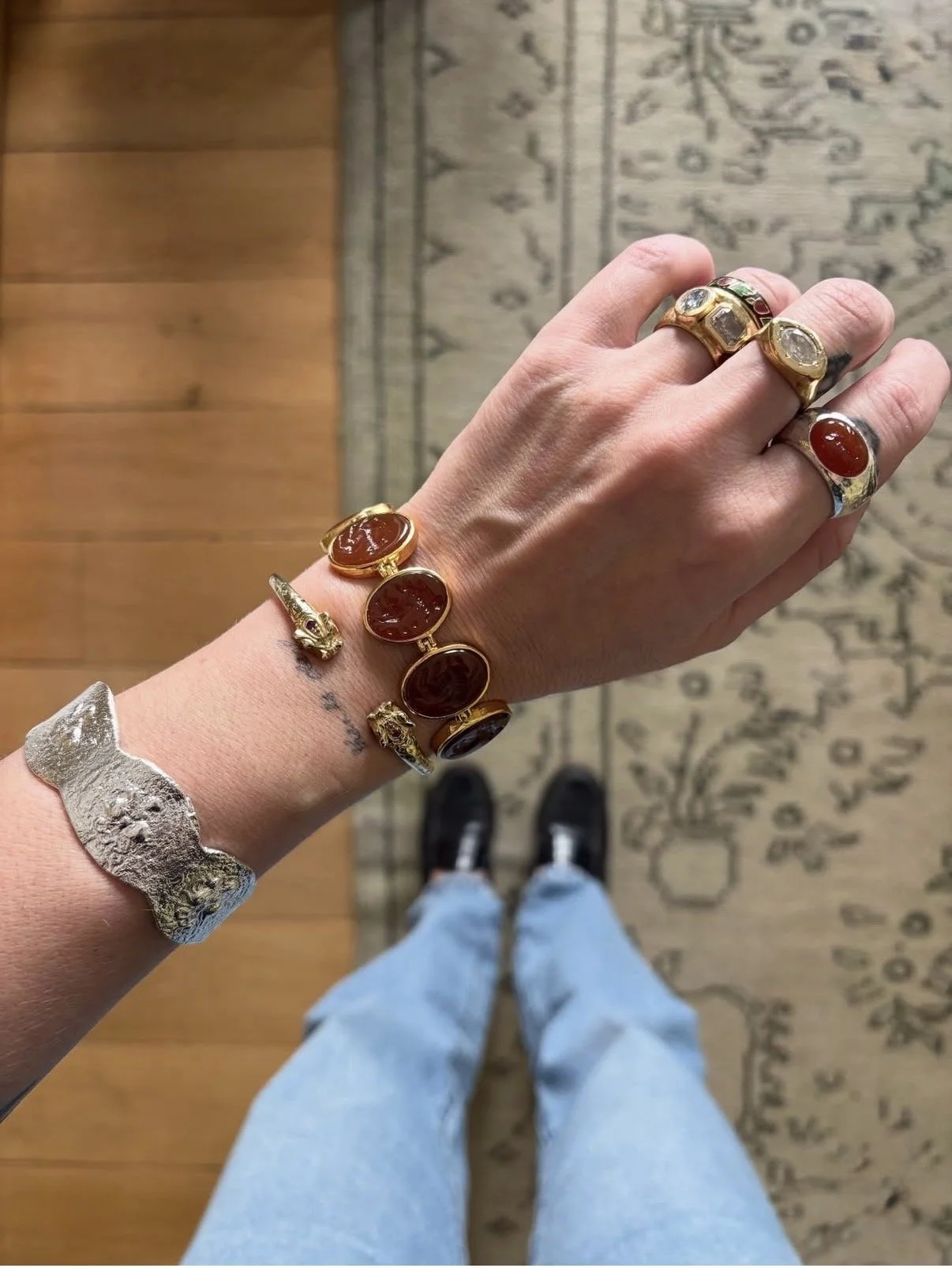
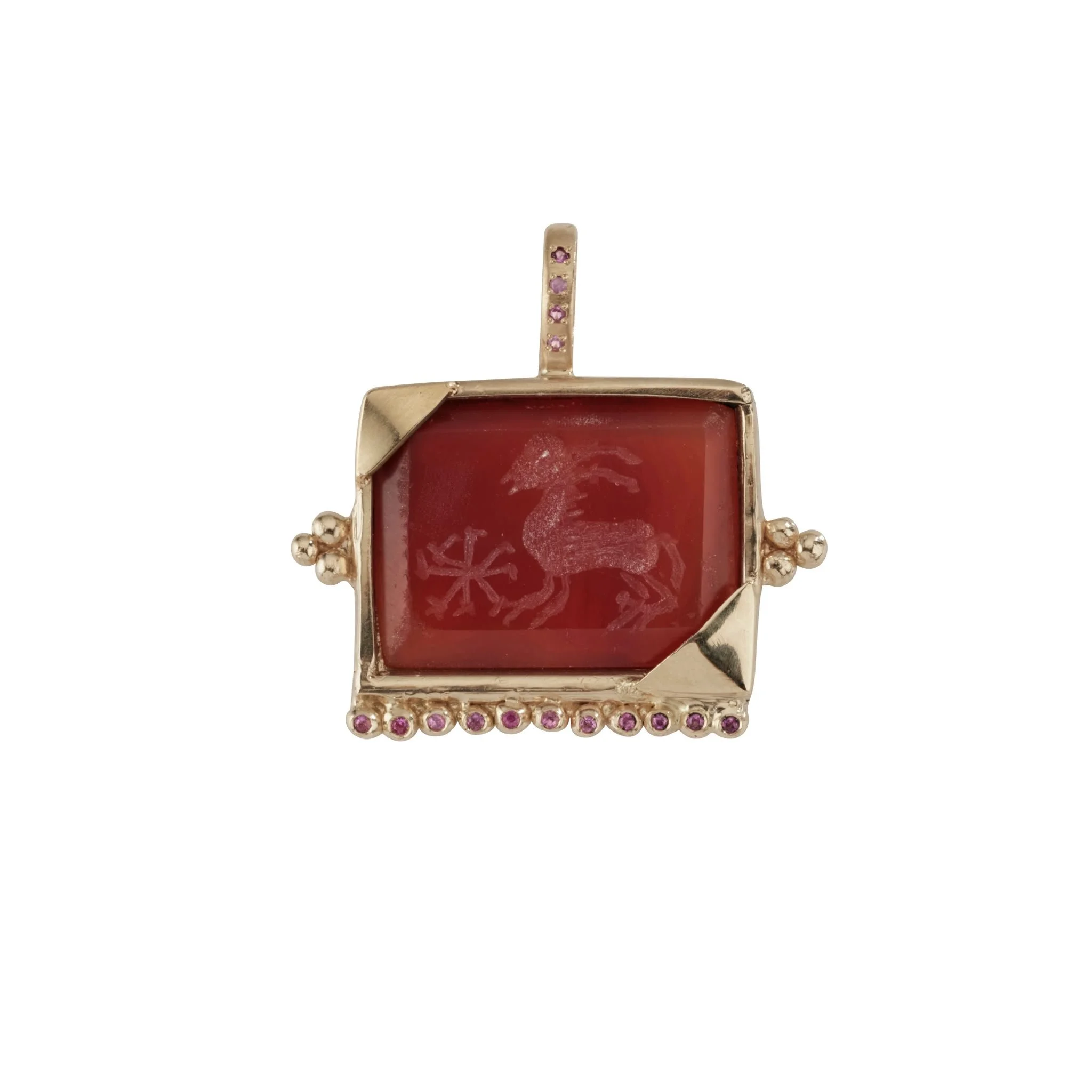
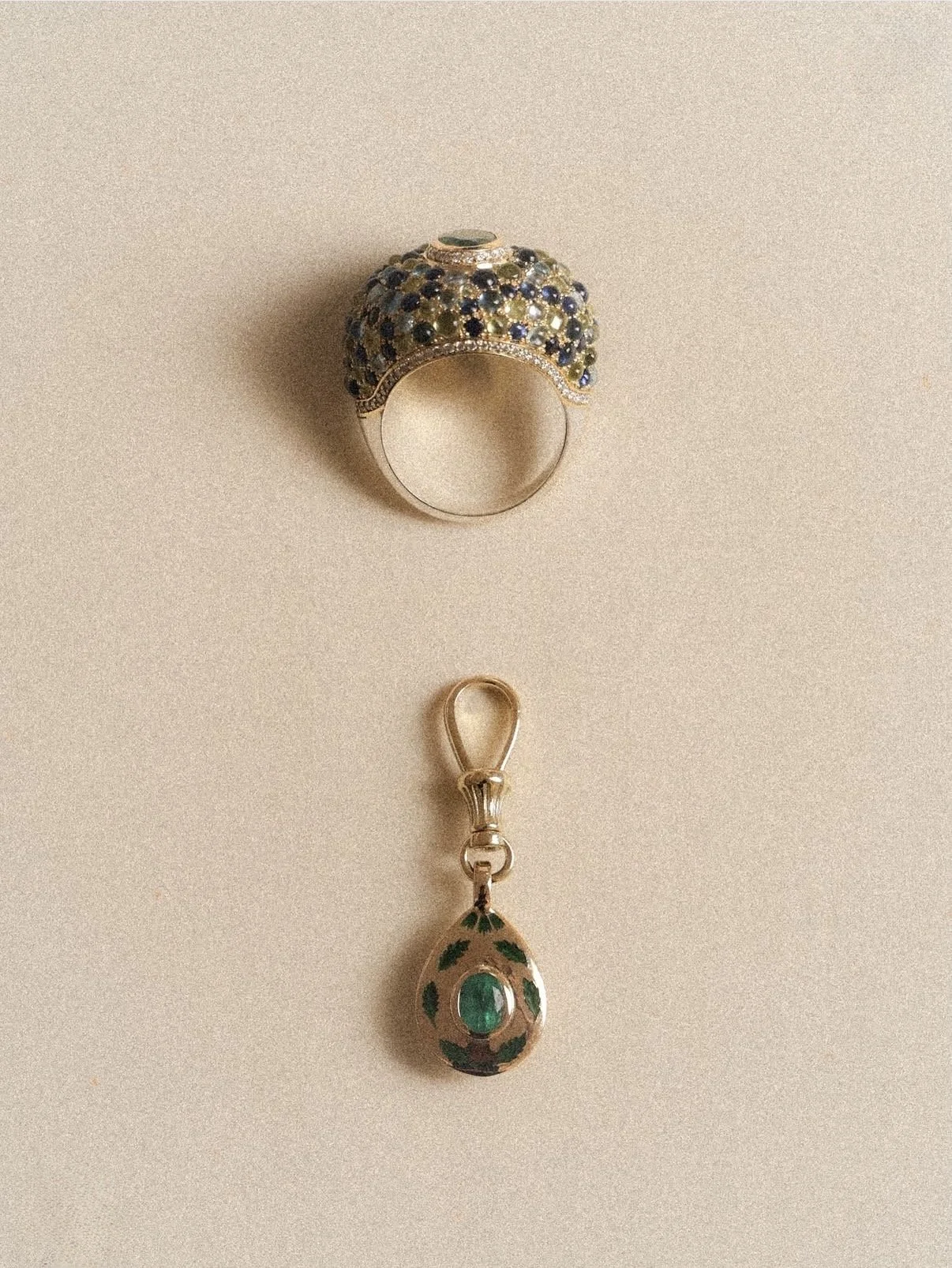
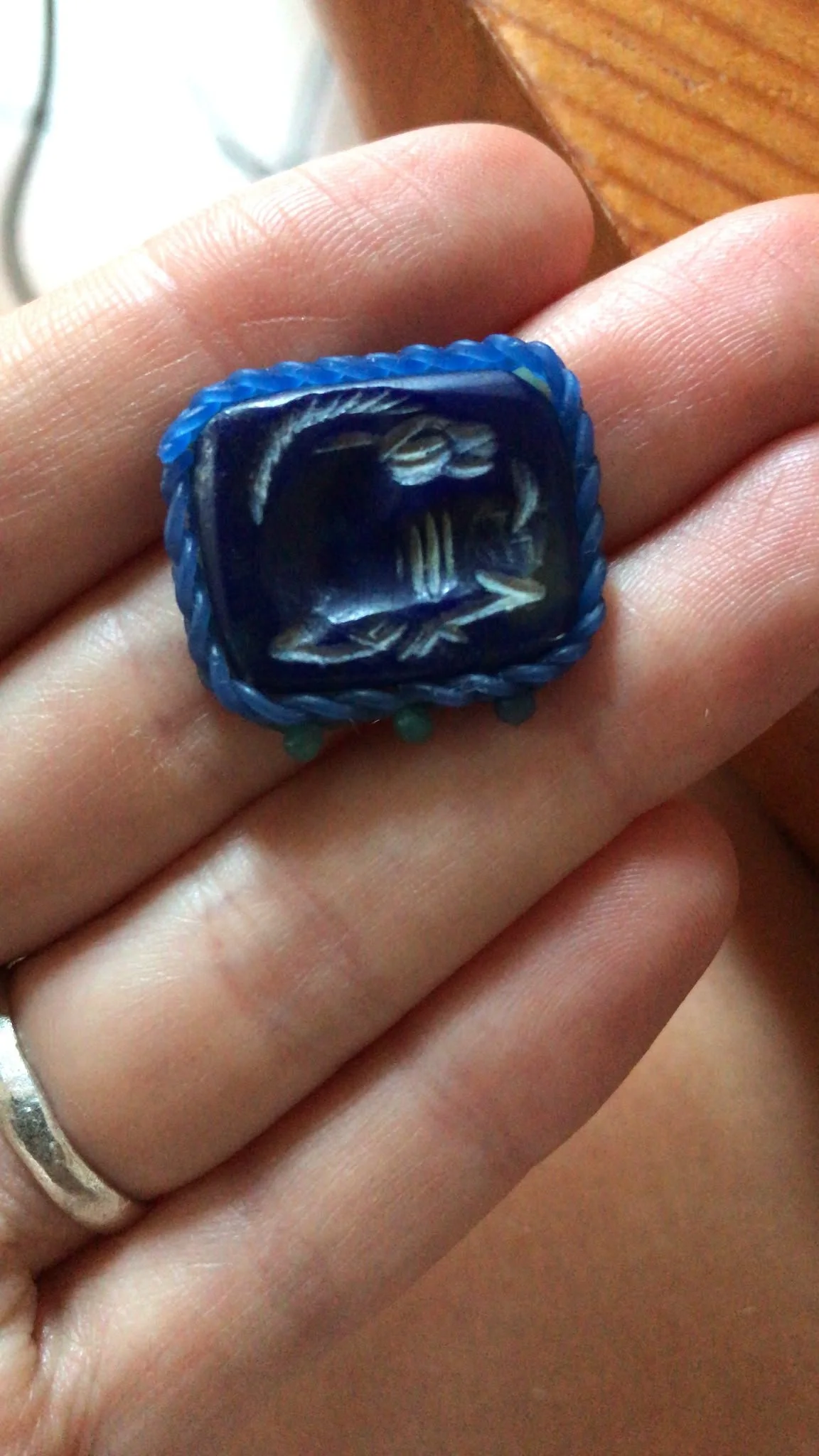
What first drew you to jewellery? Was there a defining moment that made you realise this was what you wanted to do?
It wasn't one single moment. It was a gradual obsession. I was travelling through Istanbul in my early twenties and ended up learning traditional jewellery making in the Grand Bazaar under master craftsmen. Seeing objects being carved by hand using techniques that had barely changed in centuries completely shifted how I thought about making things.
I realised jewellery wasn't simply decorative. It was history, engineering, sculpture, storytelling and craftsmanship all at once. I've never really looked back.
But learning a craft and deciding to turn that craft into a business are two completely different things. And this is something I always find interesting when speaking with independent designers: when does making something become building a brand?
What inspired you to start your own brand instead of creating for someone else?
I don't think I ever consciously decided I wanted a brand. I wanted the freedom to explore ideas that didn't necessarily fit into what the jewellery industry was doing at the time. I was drawn to ancient techniques like lost wax carving, hand engraving and hot enamel, and I wanted to build a business that valued those traditions rather than replacing them with faster production.
The brand almost grew around that philosophy.
Olivia's process seems to work almost in reverse: looking backwards to create something that belongs to the present.
How do you balance creating something that feels contemporary while hoping it will be worn for years to come?
Ironically, I think looking backwards often creates something that feels more modern. Instead of asking what's fashionable today, I ask what has survived for centuries, then reinterpret it through my own lens. The techniques are ancient, but the proportions, styling and combinations of materials belong to today.
I think that's why the work feels contemporary without chasing trends.
Of course, after years of making jewellery, I imagine your relationship with the object itself changes too.
At first you learn how to make it. Then people start attaching their own lives to what you've made — engagements, births, deaths, anniversaries, family stories.
Suddenly the object doesn't completely belong to the designer anymore.
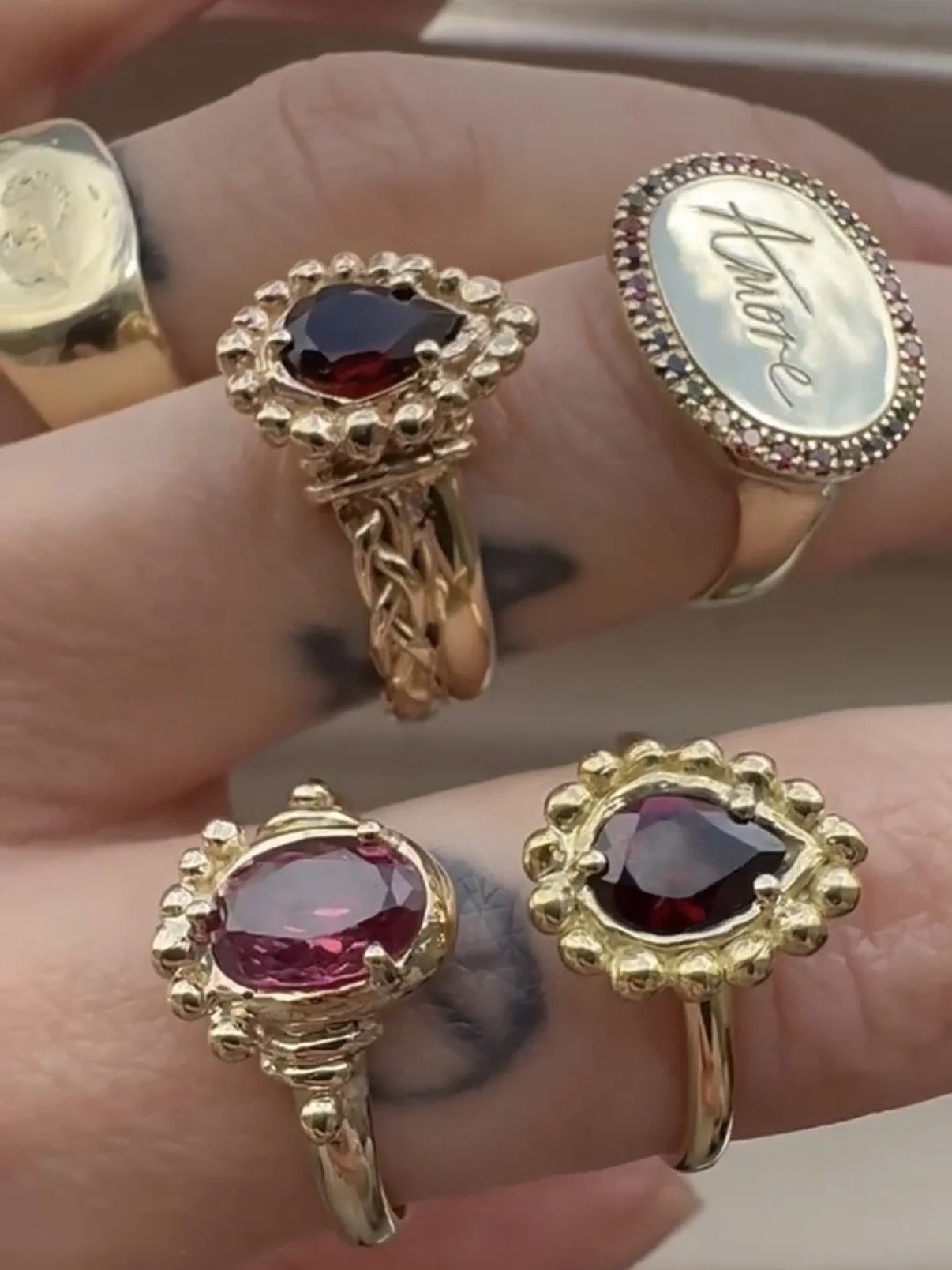
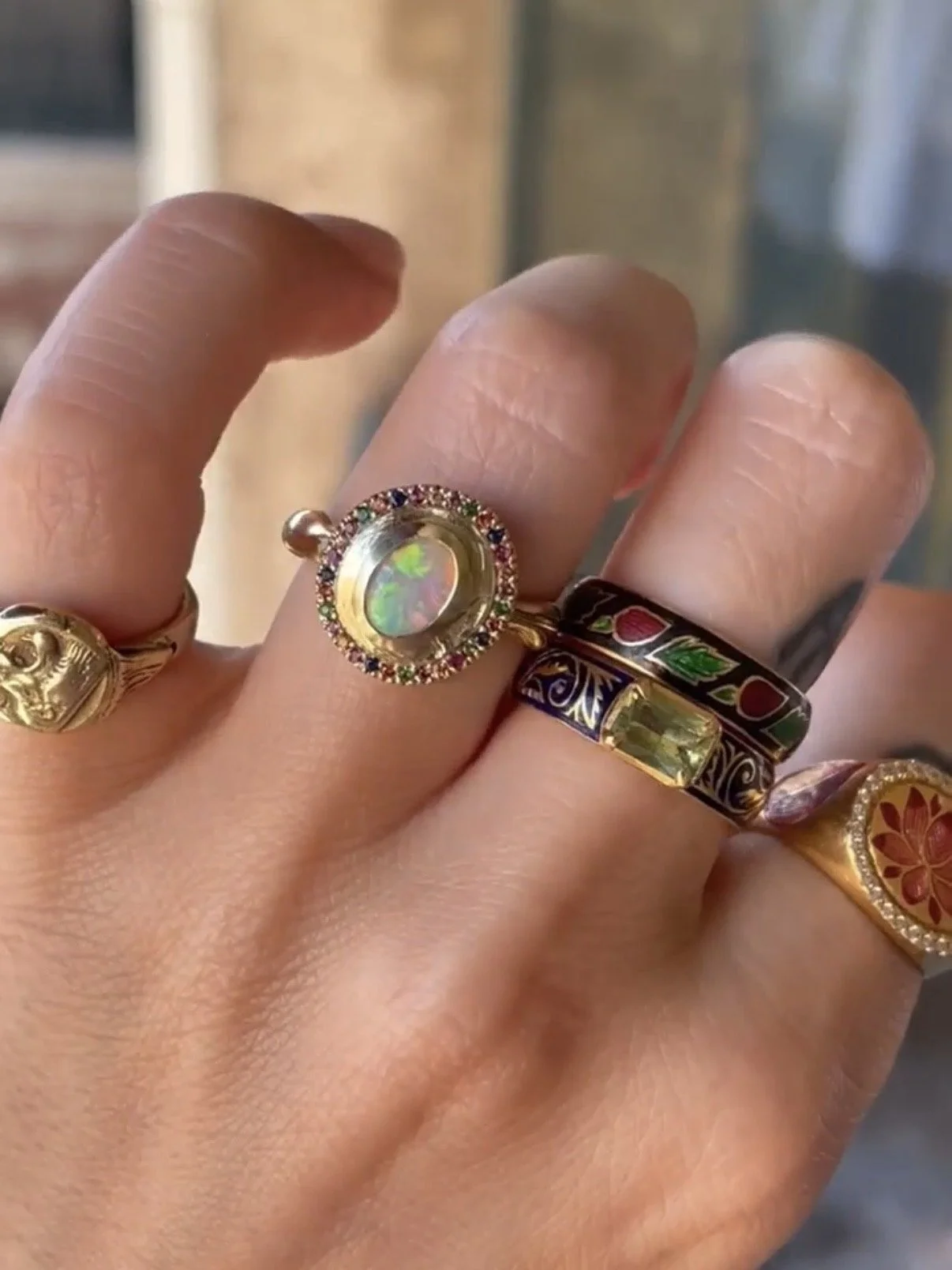
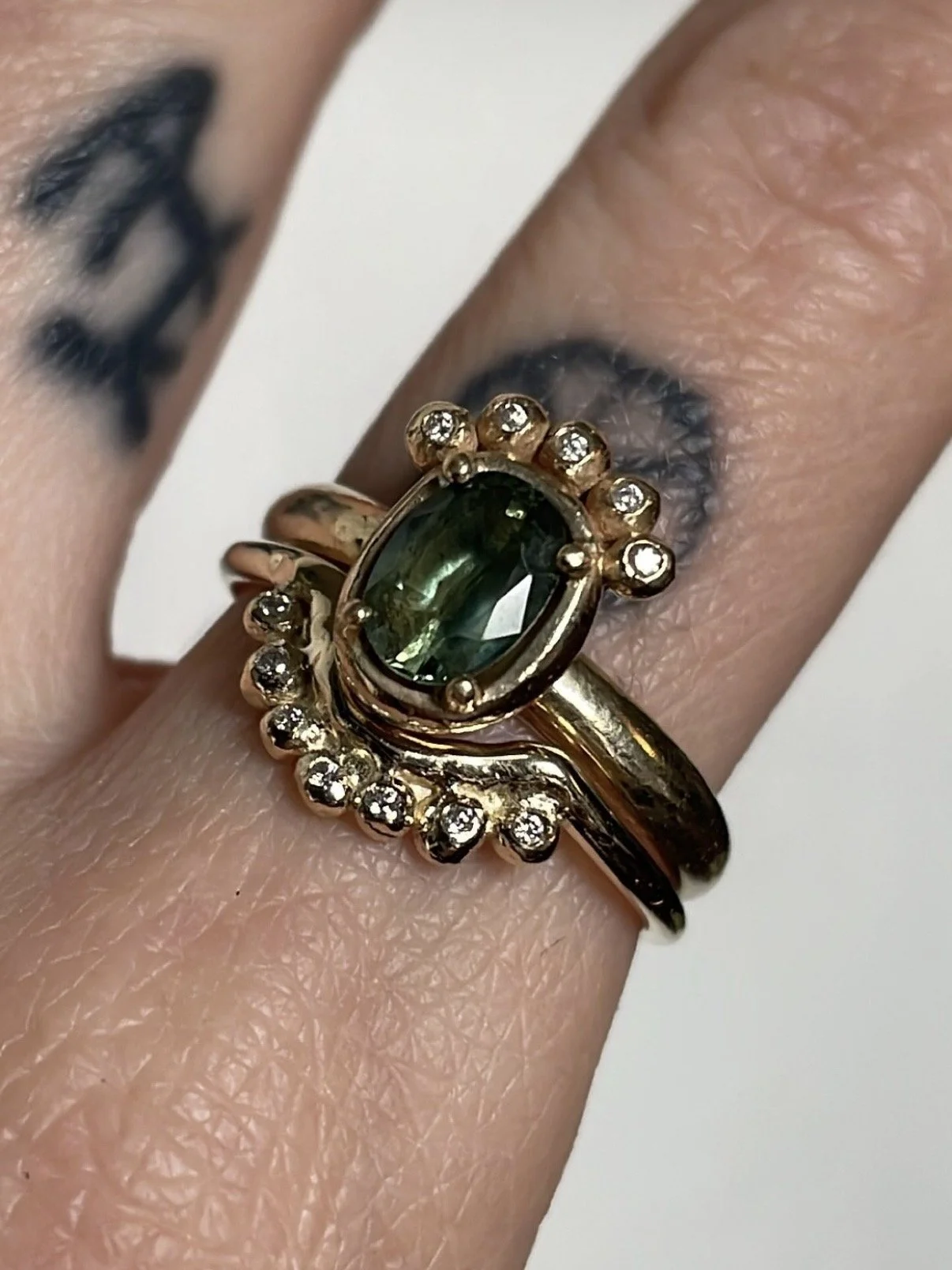
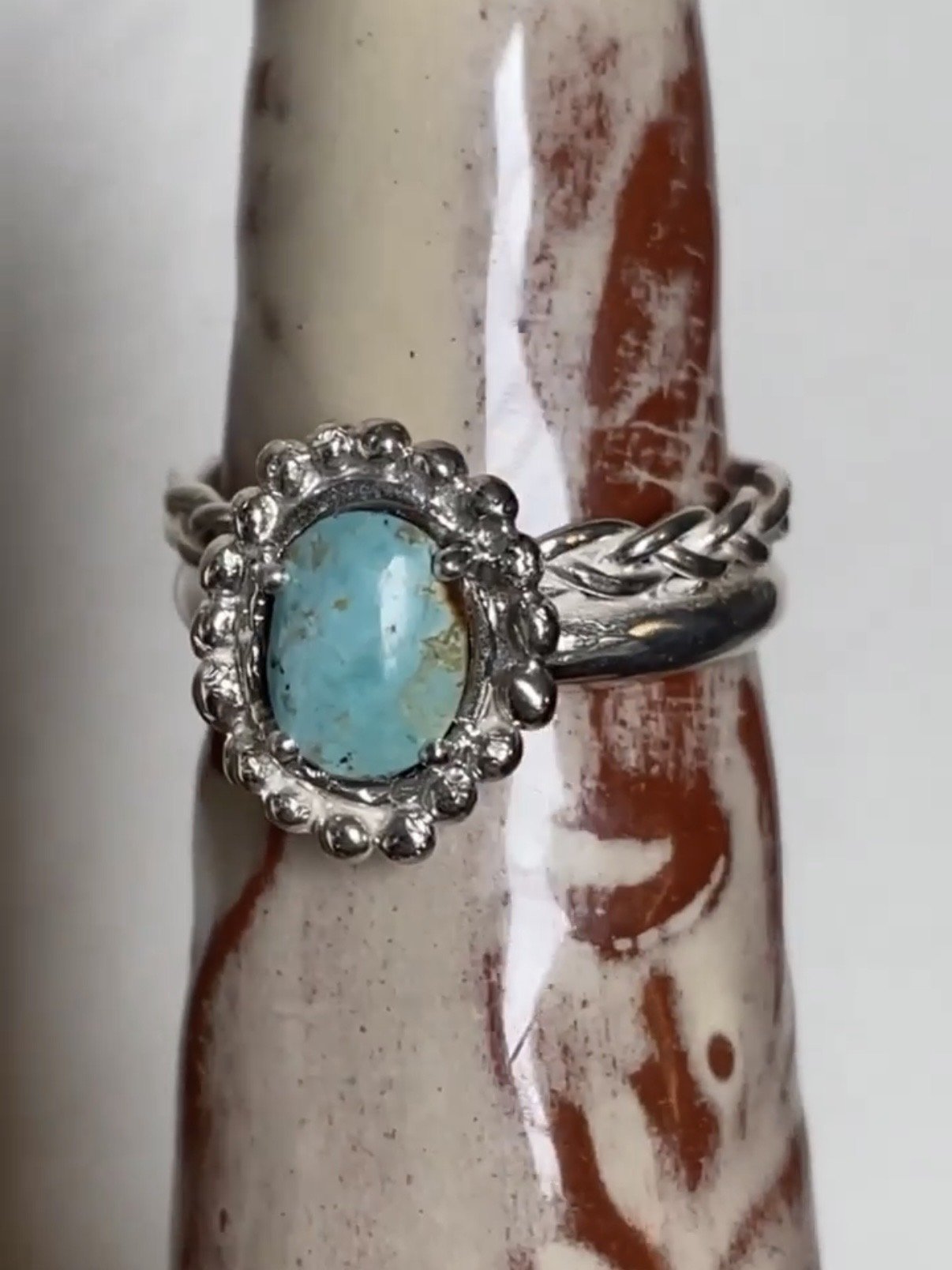
Has your relationship with jewellery changed since you first started creating it?
Definitely.
When I first started, I was fascinated by the technical side of making. Now I'm much more interested in what jewellery means to people.
Running a bespoke business means I've been trusted with engagement rings, heirlooms, memorial pieces and commissions celebrating births, anniversaries and milestones. You realise quite quickly that you're not just making jewellery. You're becoming part of someone's family history.
That responsibility has made me a more thoughtful designer.
And maybe that's also the perfect place to finish this conversation — going back to the beginning.
Before the brand, before the collections, before knowing exactly what your aesthetic is supposed to be, there is simply the craft.
If someone was considering becoming a jeweller, what advice would you give them, and why?
Learn how things are actually made before worrying about building a brand.
Understanding materials changes the way you design. Gold behaves differently to silver. Every gemstone has its own personality. Ancient techniques exist for a reason. I'd also say to stay curious outside jewellery. Visit museums. Study architecture. Read about history. Look at sculpture. Pay attention to ordinary objects.
Some of my favourite ideas have come from places that have absolutely nothing to do with jewellery. The wider your visual world becomes, the more interesting your work will be.
And I think I would keep that last thought exactly there.
Because maybe creativity is not really about constantly searching for inspiration. Maybe it's simply about learning how to pay attention.
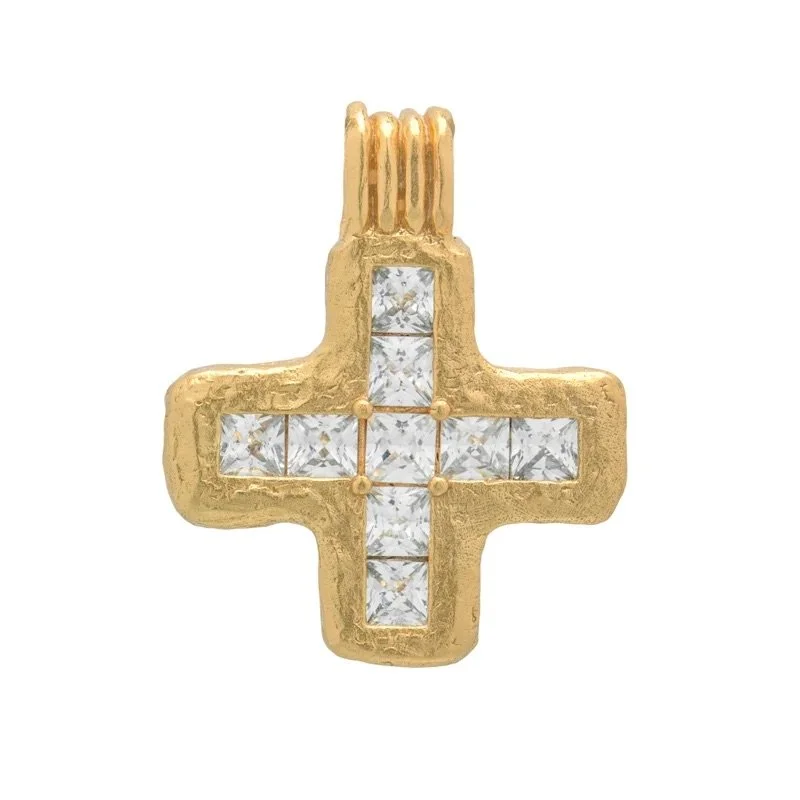
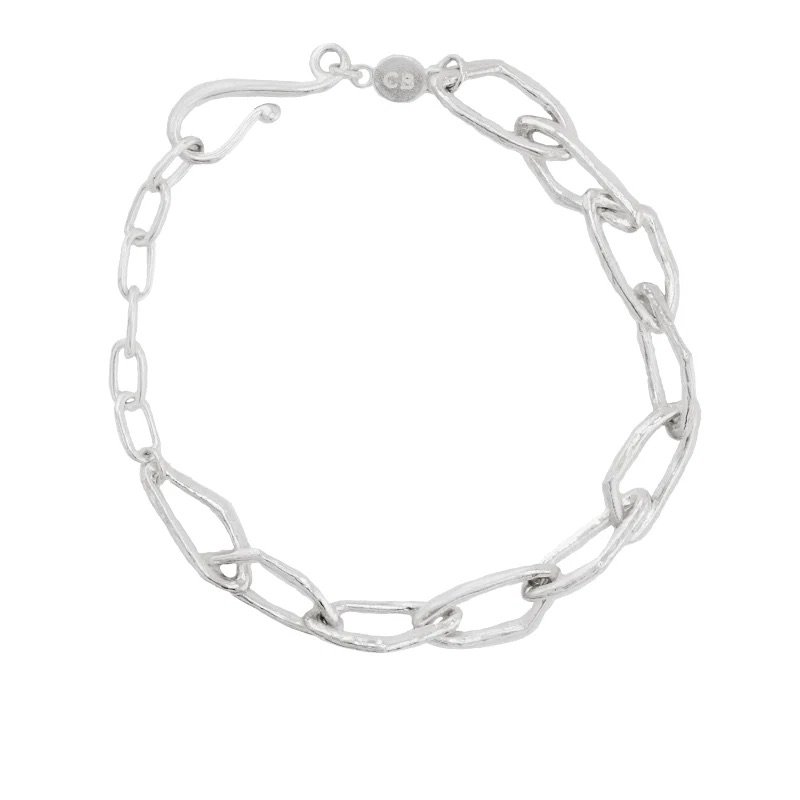
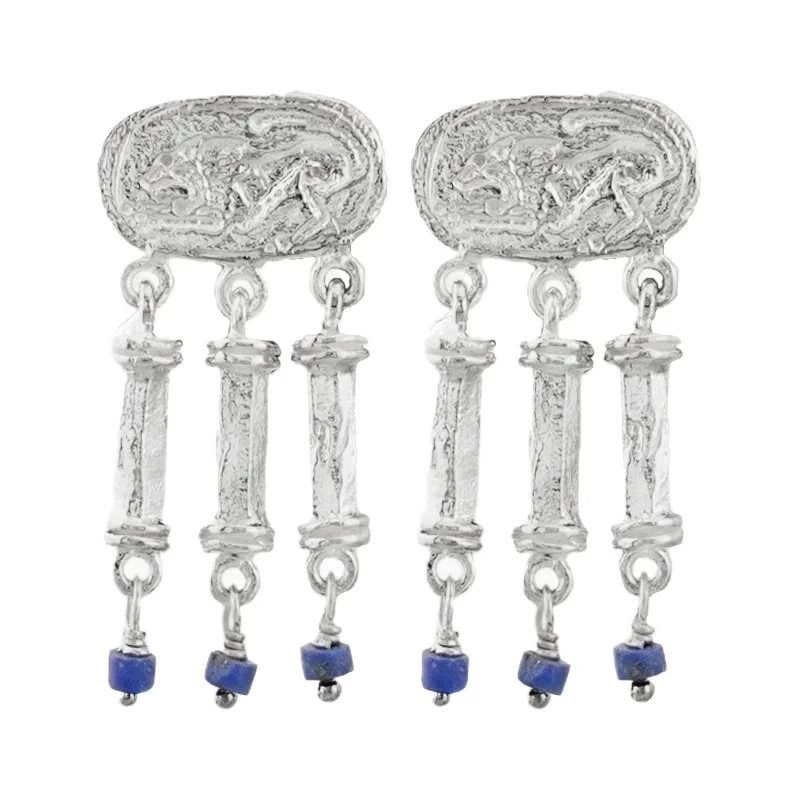
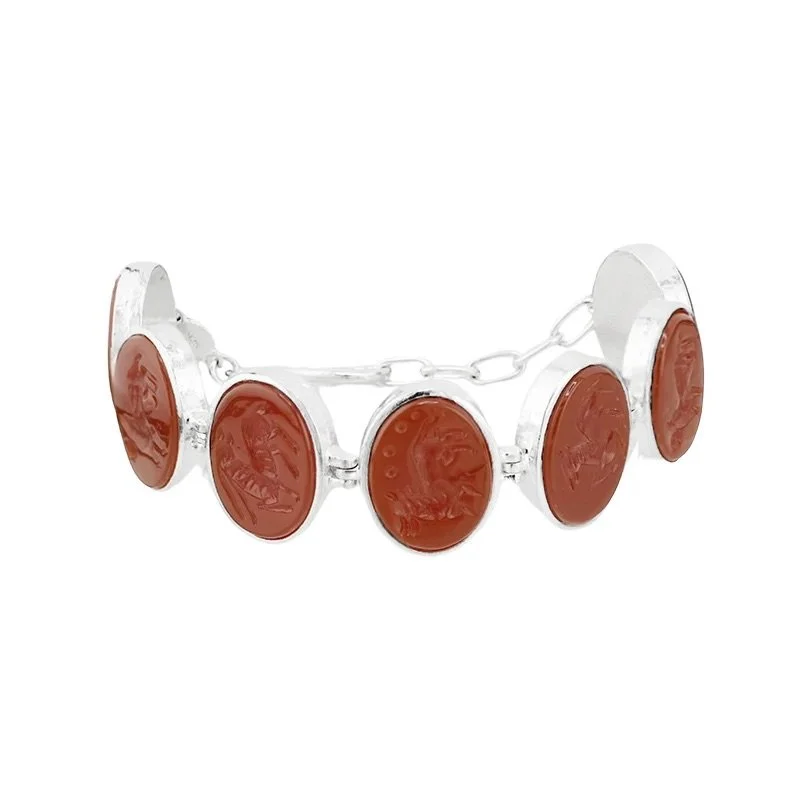
My favorites from Cleopatra's website: